

Food waste is a significant issue that impacts our wallets and the environment. Fortunately, reducing food waste at home is easier than you might think. By adopting a few simple habits and smart planning, you can make a positive change for your family and the planet. This article shares practical tips to minimize food waste and make the most of your groceries.
Why Reducing Food Waste Matters
Food waste contributes to greenhouse gas emissions and wastes resources like water, labor, and energy. When food is thrown away, so are all of these inputs. Additionally, food waste means money lost on groceries that never get eaten. Reducing food waste benefits both the environment and your budget.
Plan Your Meals Ahead
Create a Weekly Meal Plan
Start by planning your meals for the week. This helps you buy only what you need and avoid impulse purchases that may go unused.
– List your breakfasts, lunches, dinners, and snacks
– Check your pantry and fridge before writing the list
– Consider which items need to be used first based on expiration dates
Make a Shopping List
Use your meal plan to make a detailed shopping list. Stick to this list while shopping to reduce the chance of buying excess food.
Buy Only What You Need
Buy loose produce when possible so you can get the exact amount you need instead of pre-packaged quantities.
Store Food Properly
Understand Food Storage Basics
Proper storage extends the life of your food. Learn which items belong in the fridge, freezer, or pantry.
– Keep fruits and vegetables in separate crisper drawers
– Store bread in a cool, dry place or freeze for longer storage
– Use airtight containers for leftovers and opened packages
Label Your Food
Label leftovers or bulk items with the date they were stored. This helps you eat older food first and prevents forgetting about it.
Use Leftovers Creatively
Repurpose Leftovers
Instead of throwing away leftovers, turn them into new meals.
– Use cooked vegetables in soups, stews, or casseroles
– Transform stale bread into croutons or breadcrumbs
– Combine leftover proteins with salad or pasta for a quick meal
Plan Leftover Nights
Reserve a night each week to eat leftovers. This prevents food from spoiling and reduces cooking time.
Manage Portions Wisely
Serve Smaller Portions
Start with smaller portions to avoid uneaten food on plates. You can always go back for seconds if still hungry.
Use Measuring Tools
When cooking, use measuring cups or spoons to prepare accurate portions, especially with grains and pasta.
Freeze Food to Extend Shelf Life
Freeze Extra Ingredients
If you have extra vegetables, fruits, or meat that won’t be used soon, freeze them.
– Chop and freeze veggies for future use in recipes
– Freeze leftover cooked meals in individual portions
Freeze Bread and Baked Goods
Freeze bread or baked goods soon after purchase to keep them fresh longer.
Compost Food Scraps
Start a Compost Bin
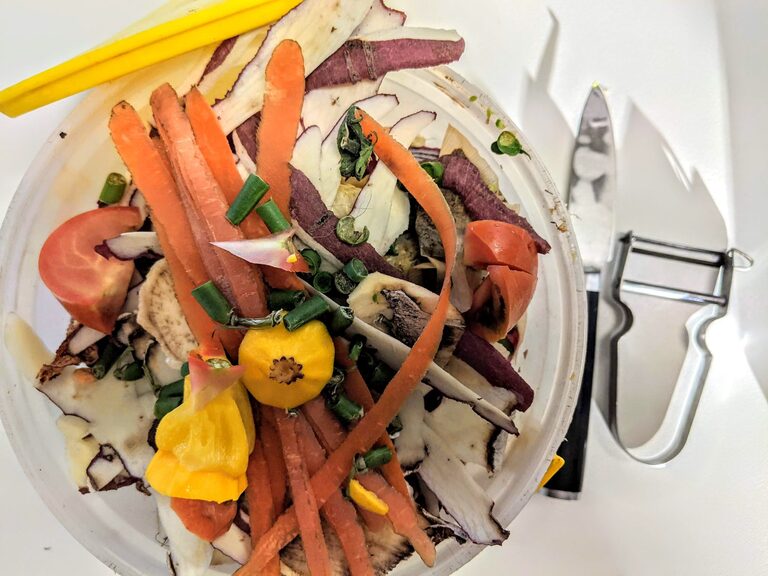
If food scraps can’t be eaten, composting is an excellent way to reduce landfill waste and create nutrient-rich soil for gardening.
– Collect vegetable peels, coffee grounds, eggshells
– Avoid composting meat, dairy, or oily foods
Use Compost for Gardening
Use compost to enrich garden soil or potted plants, closing the food cycle at home.
Monitor Waste and Adjust Habits
Keep a Food Waste Diary
Track what food you throw away and why. This helps identify patterns and areas to improve.
Adjust Shopping and Cooking Habits
Based on your waste diary, modify your meal planning, shopping, or storage practices to reduce waste further.
Donate Excess Food
If you have non-perishable items that you won’t use, consider donating them to local food banks or shelters.
Final Thoughts
Reducing food waste at home is a simple yet powerful step towards sustainability. By planning meals, storing food correctly, using leftovers, and composting scraps, you can save money and help the environment. Start with one or two strategies and gradually build habits that support a waste-free kitchen. Every small effort counts!